Mapping Connections Between Approved Funding Options and the Availability of Match Bonuses in Sweden's Online Casino Environment
Skriven av Lars Fischer · 2026-11-06
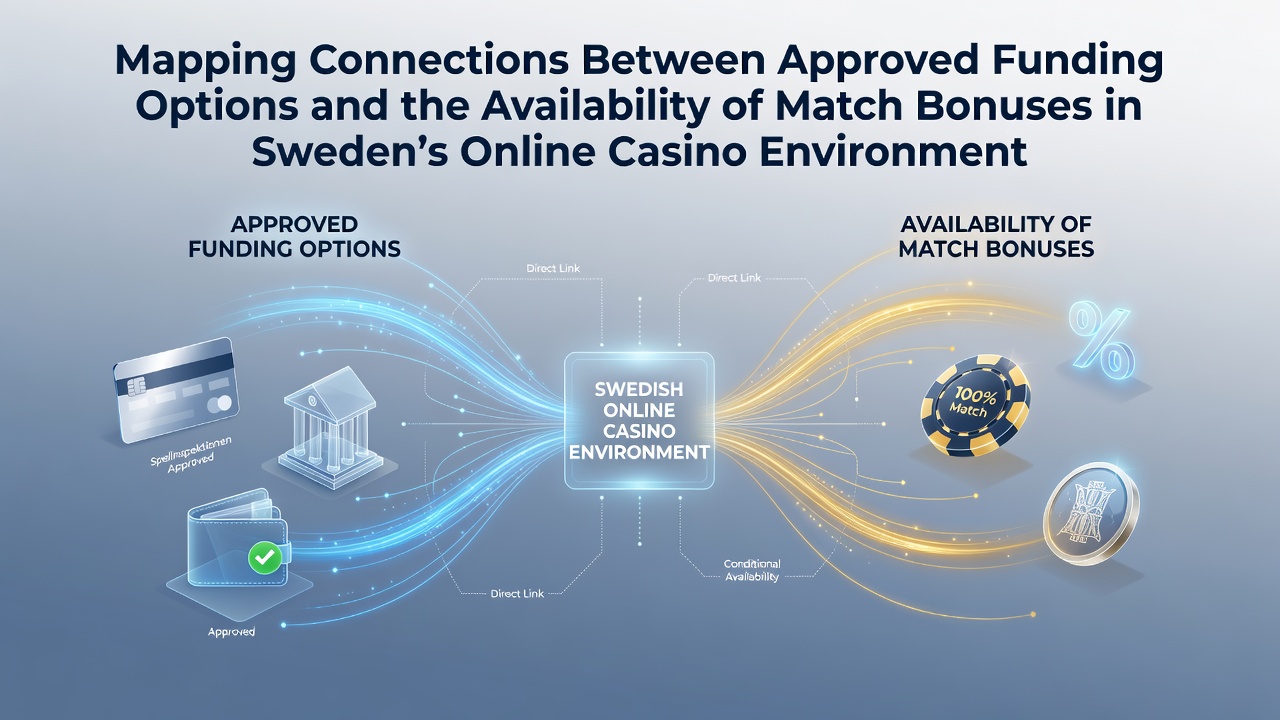
Mapping Connections Between Approved Funding Options and the Availability of Match Bonuses in Sweden's Online Casino Environment
Sweden's regulated online casino sector operates under strict oversight from the Swedish Gambling Authority, where approved funding options directly influence how operators structure and distribute match bonuses to players; these connections have grown more pronounced as payment networks evolve and compliance requirements tighten. Data from industry reports indicate that platforms must align deposit methods with bonus eligibility rules, since certain funding channels trigger verification steps that either unlock or restrict promotional access.
Approved Funding Channels and Their Regulatory Framework
Operators in Sweden rely on a defined set of payment methods that meet licensing standards, including bank transfers, the instant mobile system Swish, and select e-wallets that pass anti-money laundering checks; credit card use remains limited because of additional consumer protection layers imposed since the 2019 re-regulation. Researchers at Nordic gaming institutions have documented how these channels integrate with bonus systems, noting that instant options like Swish often pair with match bonuses because they allow rapid verification and reduce fraud risks.
Funding approval also ties into transaction speed and fee structures, whereas slower methods such as traditional bank wires may delay bonus activation until funds clear, which creates a practical barrier for time-sensitive promotions. Figures from Spelinspektionen show that over 85 percent of licensed platforms now prioritize instant payments to maintain player engagement while satisfying reporting obligations.
How Payment Methods Shape Match Bonus Availability
Match bonuses, which typically double or triple initial deposits up to a capped amount, depend on the funding source because regulations require operators to verify deposits before crediting promotional funds; this verification process flows more smoothly through approved digital wallets and Swish than through international card networks. Observers note that players using compliant Swedish bank accounts receive bonus matches faster, since these transactions carry built-in identity confirmation that satisfies licensing conditions.
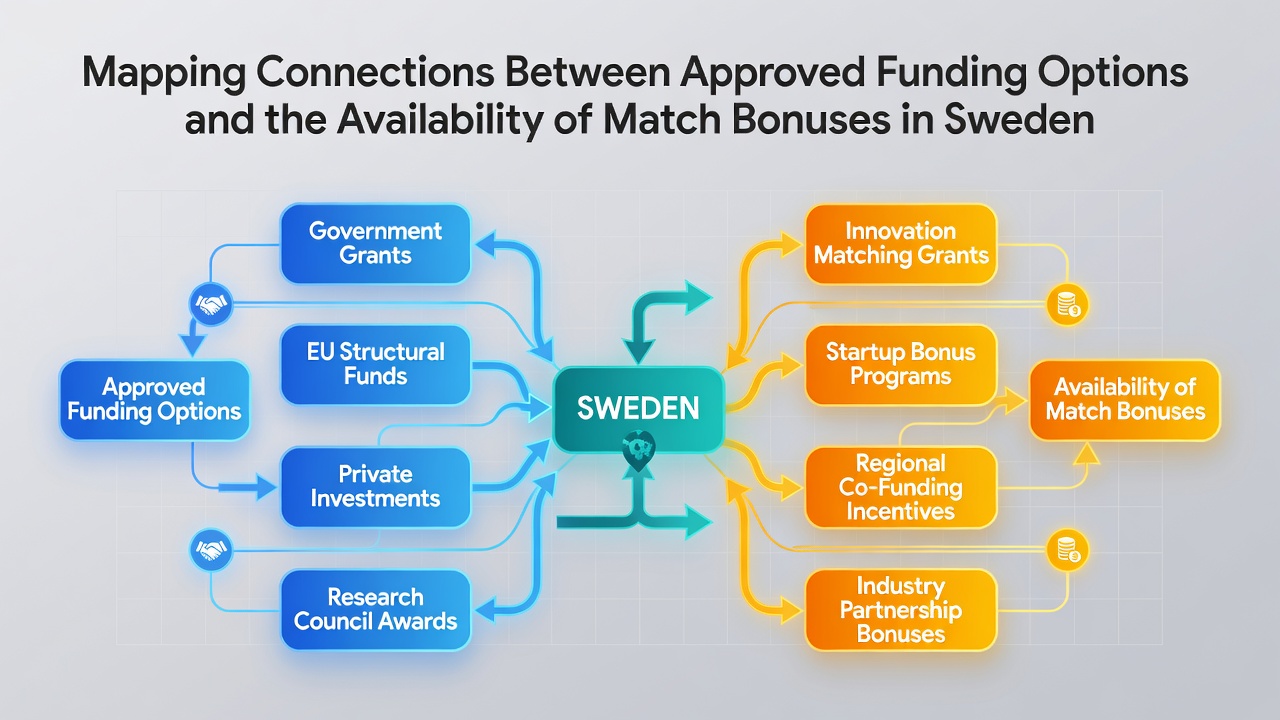
By November 2026, updates to payment gateway standards are expected to expand the list of approved e-wallets, which in turn could broaden access to match offers for users who prefer non-bank methods. Studies from European gaming research groups reveal that platforms adjusting their bonus terms to match new funding approvals see higher redemption rates, because players encounter fewer friction points during deposit and verification stages.
Regulatory Influences on Bonus Structures
The Swedish Gambling Authority enforces rules that link bonus availability to responsible gambling tools and payment transparency, meaning operators cannot offer match promotions through unapproved channels without risking license violations. Those who have analyzed compliance reports find that funding options with higher traceability receive preferential treatment in bonus design, since they align with mandatory reporting on player activity and deposit patterns.
Yet connections extend beyond simple approval status, because fee structures and cross-border restrictions also affect which methods support bonus eligibility; for instance, certain international e-wallets face extra scrutiny that delays or blocks promotional credits. Data indicates that casinos adapting their systems to prioritize low-friction domestic payments maintain more consistent match bonus programs throughout the year.
Patterns Observed Across Licensed Platforms
Case examples from multiple Swedish operators illustrate how funding approvals correlate with bonus variety, where sites accepting Swish and local bank transfers consistently display larger match percentages compared with those limited to slower or higher-fee alternatives. Industry analyses from the European Gaming and Betting Association highlight that these patterns hold steady as of late 2026, with platforms optimizing payment integrations to support recurring promotional campaigns.
Additional research from Canadian gaming studies shows parallel trends in regulated markets, where verified payment rails enable smoother bonus distribution and reduce instances of declined promotional claims. Players who select funding options already embedded in the licensing framework encounter fewer interruptions, since operators have pre-configured their systems to handle verification in real time.
Conclusion
Connections between approved funding options and match bonus availability in Sweden's online casino environment rest on regulatory compliance, transaction verification speed, and platform-level integrations that continue to shift through 2026. Observers tracking these developments note that operators who align payment methods with bonus rules achieve more reliable promotional delivery, while players benefit from smoother access when using compliant channels. Continued monitoring of Spelinspektionen guidelines and payment network updates will clarify how these relationships evolve in the coming periods.