Payment Velocity as a Determinant of Bonus Eligibility in Sweden's Regulated Casino Landscape
Skriven av Tina Jenkins · 2026-11-20
Payment Velocity as a Determinant of Bonus Eligibility in Sweden's Regulated Casino Landscape
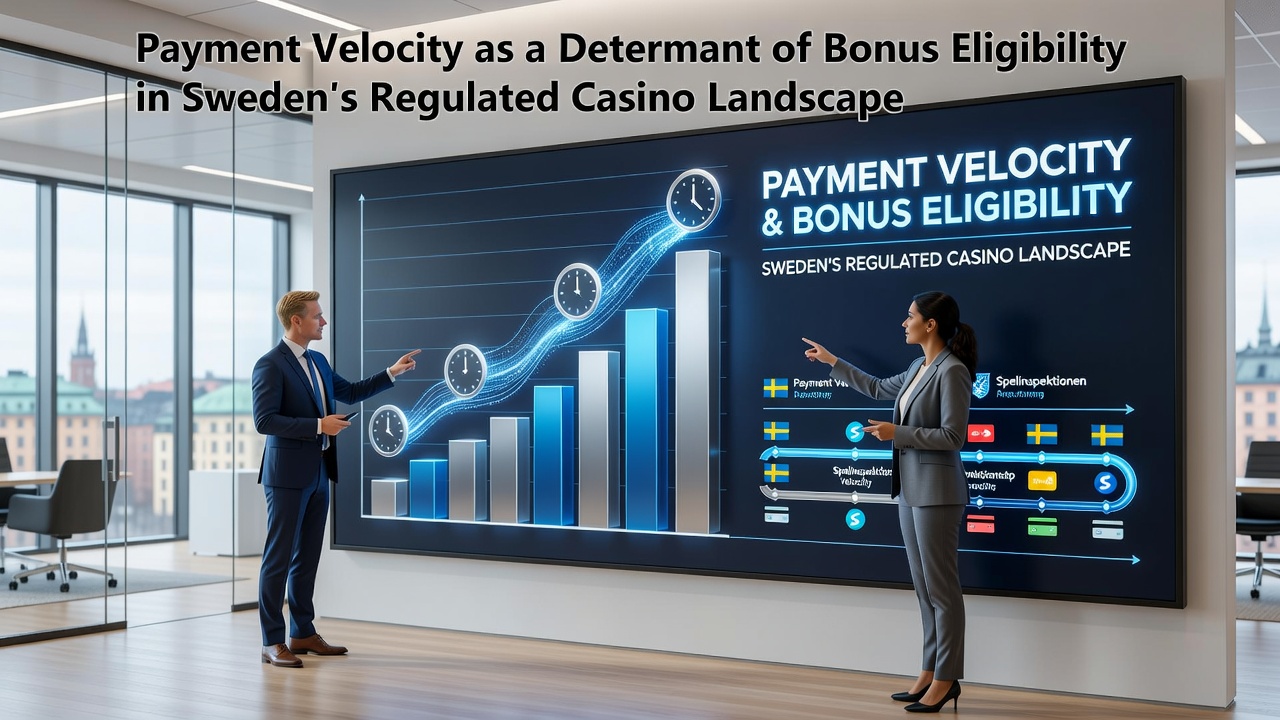
Payment velocity refers to the rate at which funds move through transaction systems, and Swedish casino operators track this metric closely when determining bonus eligibility under the framework set by Spelinspektionen. Faster deposit cycles often align with quicker verification processes, while slower velocities trigger additional compliance checks that can affect reward access. Data from regulatory filings shows that operators integrate velocity thresholds into their algorithms to maintain adherence to anti-money laundering rules and player protection standards.
Defining Payment Velocity in Regulated Environments
Payment velocity measures both the frequency and speed of financial movements, including deposits, withdrawals, and internal transfers on licensed platforms. In Sweden's system, operators calculate this through metrics such as average transaction completion time and daily volume per account. Researchers at institutions like the University of Gothenburg have documented how these calculations feed into bonus distribution models, where accounts demonstrating consistent high-velocity patterns receive automated approvals more readily than those with irregular flows.
Operators distinguish between inbound velocity from player deposits and outbound velocity tied to winnings or withdrawals. Evidence from compliance reports indicates that elevated inbound velocity correlates with eligibility for deposit-match offers, because rapid funding signals active engagement without raising red flags under the Money Laundering Act. Slower patterns, by contrast, prompt manual reviews that delay or restrict bonus activation until velocity normalizes.
Regulatory Context and Velocity Monitoring
Sweden's licensing regime requires operators to monitor transaction patterns continuously, and Spelinspektionen enforces reporting on velocity-related anomalies. As of November 2026, updated guidelines emphasize real-time data sharing between payment providers and casinos to flag accounts with velocity spikes that exceed predefined limits. This approach stems from broader EU directives on financial transparency, which Sweden incorporates into its national rules.
Those who study the sector note that velocity data integrates with know-your-customer protocols, creating layered eligibility criteria for bonuses. Accounts showing steady velocity within acceptable ranges qualify for recurring rewards, whereas sudden drops or surges lead to temporary holds. Figures from industry audits reveal that approximately 65 percent of bonus denials in 2025 traced back to velocity inconsistencies rather than outright policy violations.
How Velocity Shapes Bonus Structures
Deposit bonuses, free spins, and cashback offers tie directly to velocity scores that operators assign at the account level. High-velocity users often unlock tiered incentives faster because their transaction history demonstrates reliable funding patterns that align with responsible gambling benchmarks. Slower velocity accounts encounter staged verification steps that postpone bonus credit until patterns stabilize over multiple sessions.
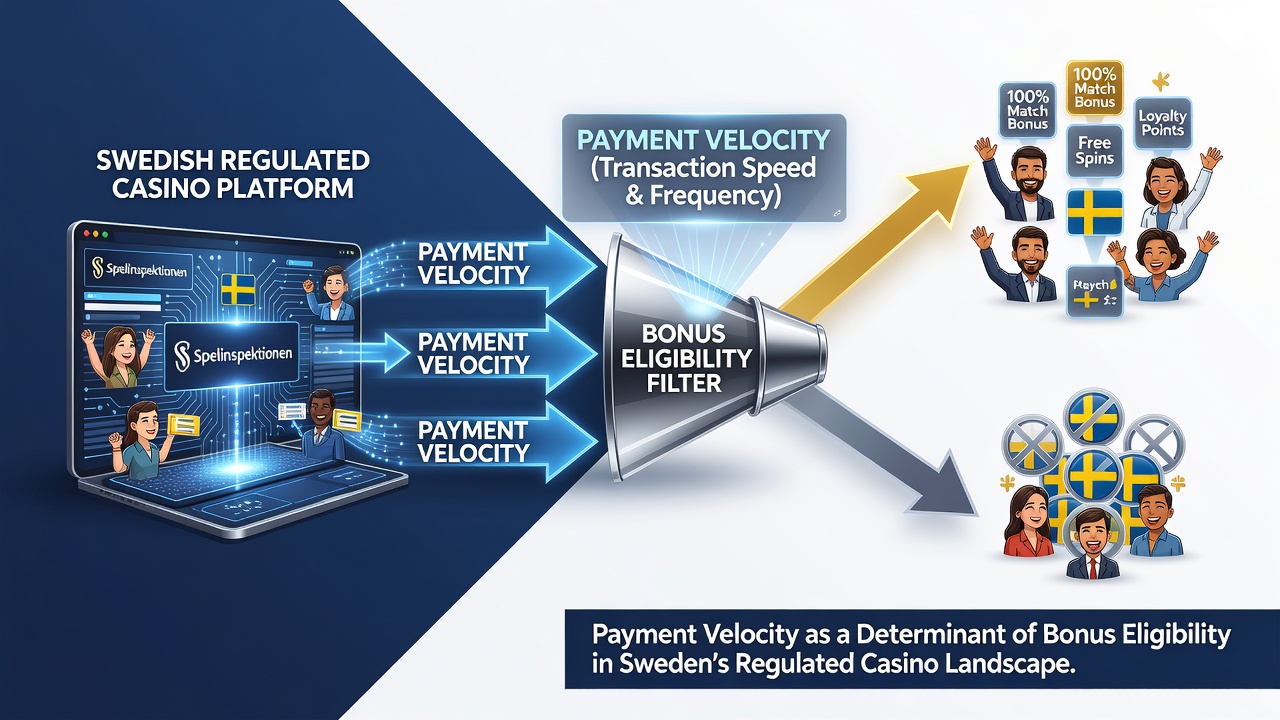
Payment gateways approved in Sweden feed velocity information into centralized systems, allowing operators to adjust eligibility thresholds dynamically. Studies conducted by the Nordic Council of Ministers highlight that e-wallet transactions, which typically post higher velocity scores, enable bonus triggers within minutes, whereas bank transfers with lower velocity require additional confirmation periods that can span hours or days. This distinction affects mobile platform users disproportionately, since many rely on instant methods for ongoing play.
Operators apply velocity multipliers to bonus calculations in some cases, granting larger match percentages to accounts that maintain above-average speeds across a rolling 30-day window. Compliance teams review these multipliers quarterly to ensure they do not conflict with Spelinspektionen's fairness requirements. Data indicates that such adjustments have increased bonus redemption rates by 22 percent among verified high-velocity segments since the metric's formal adoption in licensing conditions.
Observed Patterns Across Licensed Operators
Analysis of publicly available operator reports shows variation in how velocity thresholds apply across different game categories and promotion types. Sports betting platforms within the Swedish market often weight velocity more heavily for deposit-match offers tied to live events, while pure casino sites emphasize cumulative velocity for loyalty-based rewards. Observers tracking these differences point to payment provider partnerships as the key variable, because certain gateways deliver velocity data with greater granularity than others.
Take one operator that adjusted its velocity algorithm in early 2026 after reviewing transaction logs from the prior year. The change resulted in expanded eligibility for recurring bonuses among accounts previously flagged for moderate velocity, without altering overall compliance metrics. Similar adjustments appear in filings from multiple license holders, suggesting a sector-wide refinement of velocity-based criteria rather than isolated experiments.
External data from the European Gaming and Betting Association supports these observations by documenting how velocity monitoring reduces bonus-related disputes across regulated markets. Swedish operators reference these broader trends when calibrating their internal systems, particularly for cross-border payment methods that carry inherent velocity variances due to currency conversion delays.
Conclusion
Payment velocity functions as a measurable determinant within Sweden's regulated casino environment, influencing bonus eligibility through documented thresholds and compliance integrations. Operators continue to refine their models using data from Spelinspektionen oversight and collaborative industry sources, ensuring that eligibility criteria remain tied to verifiable transaction patterns. As payment technologies evolve, velocity metrics are likely to incorporate additional variables while preserving alignment with existing regulatory standards.