Seasonal Sports Events and Their Role in Reshaping Deposit Match Incentives Across Sweden's Licensed Mobile Betting Platforms
Skriven av Frankie Schulz · 2026-10-23
Seasonal Sports Events and Their Role in Reshaping Deposit Match Incentives Across Sweden's Licensed Mobile Betting Platforms
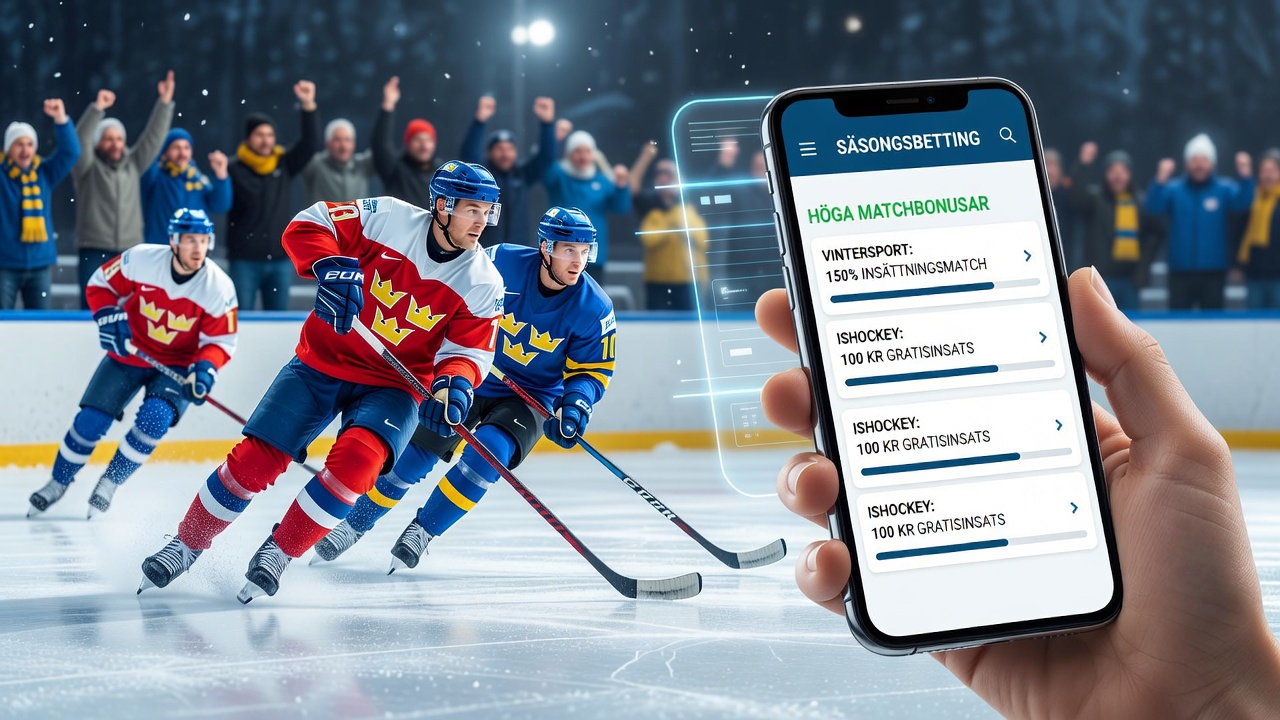
Sweden's regulated mobile betting market has seen deposit match incentives evolve in direct response to major seasonal sports calendars, with platforms adjusting offer structures around events such as the Allsvenskan football season, SHL ice hockey campaigns, and international tournaments. Data from Spelinspektionen shows that operators licensed under the Swedish Gambling Authority frequently recalibrate bonus percentages and maximum match amounts during peak periods, aligning promotions with increased user activity around fixture lists released each summer and winter.
These adjustments occur because seasonal events drive predictable spikes in betting volume, prompting platforms to structure deposit matches that encourage larger initial transactions while remaining compliant with strict wagering requirements. Observers note that platforms track historical participation data from prior seasons to time these offers, often extending match percentages from 50 percent to 100 percent for limited windows tied to opening matches or derbies.
Regulatory Framework Guiding Seasonal Adjustments
Sweden's licensing system, established through the 2019 re-regulation, requires all mobile betting operators to submit bonus structures for approval, which means seasonal promotions must demonstrate responsible gambling measures before deployment. According to figures released by the authority, deposit match incentives tied to sports calendars now incorporate time-bound caps that prevent indefinite rollover extensions, a change implemented after analysis of player behavior during high-profile events like the UEFA Champions League group stages.
Platforms integrate these rules by linking deposit matches to verified accounts and specific payment methods common in Sweden, such as Swish and bank transfers, while excluding certain seasonal triggers from bonus eligibility to maintain transparency. Researchers tracking the market have documented how operators publish updated terms at the start of each sports season, detailing how matches apply across mobile apps used by the majority of Swedish users.
Key Sports Seasons Driving Deposit Match Variations
The Allsvenskan season, running from late March through November, consistently correlates with elevated deposit match activity on licensed platforms, where operators introduce tiered matches based on deposit size during opening rounds and mid-season breaks. Similar patterns emerge during the SHL hockey season from September to April, with data indicating that mobile sessions increase notably around weekend fixtures, leading platforms to offer deposit matches that scale with verified deposits made within 48 hours of key games.
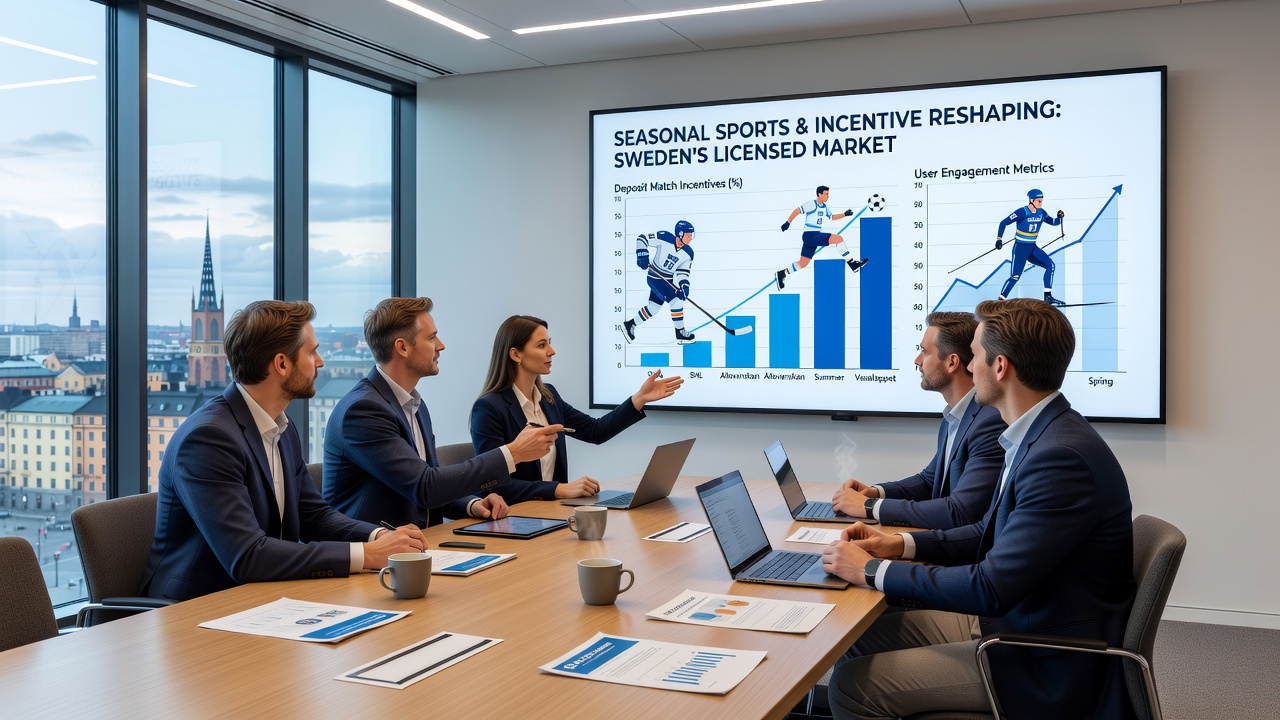
International events add another layer, as the start of the English Premier League in August and the NHL regular season in October prompt cross-promotional deposit matches that appeal to Swedish bettors following overseas leagues through mobile interfaces. Platforms have responded by creating event-specific match windows, often limiting eligibility to deposits completed before the first matchday, which helps distribute incentives across the broader calendar rather than concentrating them in isolated periods.
October 2026 Developments in Seasonal Incentive Structures
Looking ahead to October 2026, several licensed operators have already signaled adjustments to deposit match offers coinciding with the NHL season opener and early Allsvenskan playoff preparations, incorporating new compliance features required by updated Spelinspektionen guidelines on bonus transparency. These changes include automated notifications within mobile apps that detail how seasonal deposit matches convert into playable funds, a measure introduced following reviews of player engagement metrics from previous autumn campaigns.
Industry reports indicate that platforms will continue monitoring transaction volumes during these months to refine maximum match limits, ensuring offers remain competitive yet aligned with responsible play standards across Sweden's mobile gambling sector. External analyses from sources such as the Swedish Gambling Authority and the Australian Gambling Research Centre provide comparative data on how seasonal sports calendars influence bonus design in regulated markets.
Platform Implementation and User Patterns
Licensed mobile operators in Sweden deploy deposit match incentives through app-based systems that automatically detect qualifying deposits during designated seasonal windows, applying matches in real time while enforcing daily and weekly limits. Those who have studied user patterns report that bettors frequently time their deposits around midweek matches or international breaks, which has led platforms to extend certain match offers by 24 to 72 hours to capture broader participation without violating license conditions.
Payment gateway integrations play a supporting role, as seasonal promotions often highlight compatibility with trusted Swedish methods to streamline the deposit process and activate matches instantly on mobile devices. This approach maintains operational efficiency while allowing operators to track how event-driven incentives affect overall platform activity throughout each sports calendar year.
Conclusion
Seasonal sports events continue to shape deposit match incentives on Sweden's licensed mobile betting platforms through structured, data-informed adjustments that align with regulatory requirements and fixture schedules. Platforms respond to predictable activity increases around domestic leagues and international competitions by timing offers, refining match percentages, and incorporating compliance features that support ongoing market oversight. As calendars advance into periods such as October 2026, these patterns are expected to persist, with operators using historical and real-time information to maintain balanced incentive structures across the regulated sector.